Individualized support to strengthen communication, learning, social interaction, positive behavior and everyday independence.
Behavior is often a form of communication. Children may use behavior to express needs, avoid difficult situations, seek attention or respond to changes in their environment.
At IBLC Pakistan, ABA and Behavior Therapy focuses on understanding the reasons behind behavior while helping children develop useful communication, learning, social and everyday functional skills.
Sessions are planned around each child’s strengths, needs and priorities. Our professionals use structured activities, positive reinforcement and meaningful interaction to encourage participation and skill development.
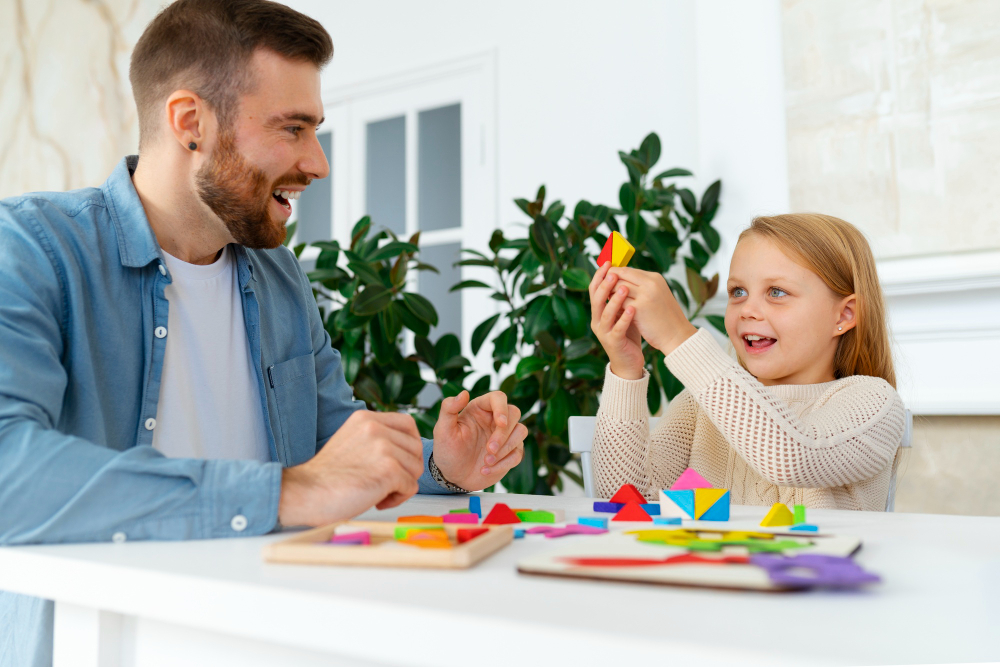
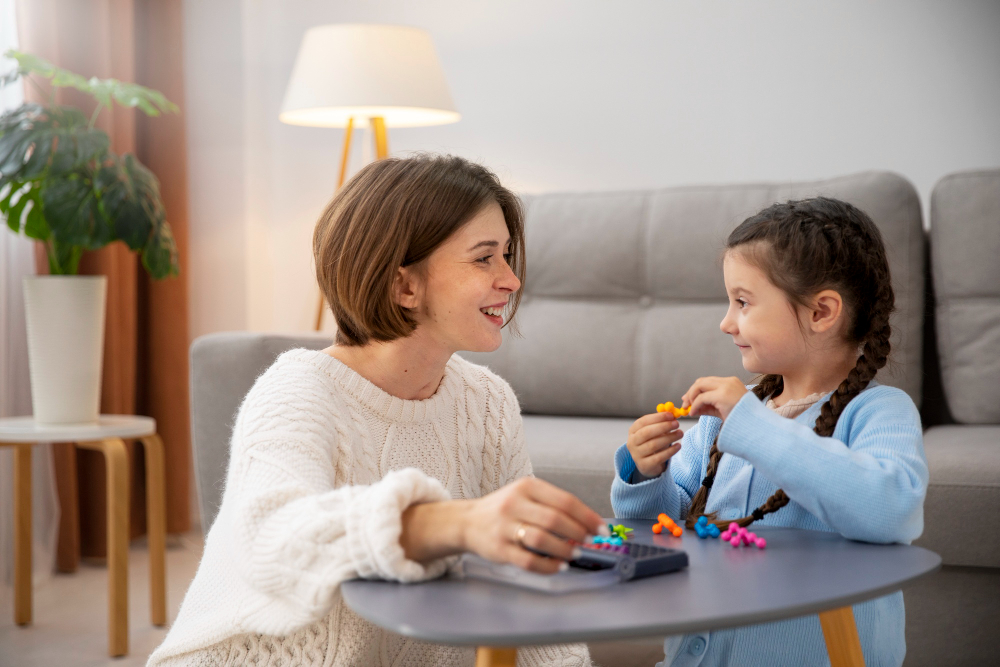
Every behavior happens within a particular situation and may serve a purpose. Our professionals observe relevant patterns, possible triggers and the child’s responses to better understand their individual needs.
Therapy focuses on teaching useful alternative skills through positive, structured and respectful support. Goals remain practical, measurable and relevant to the child’s everyday life.
Helpful Information
Find answers to common questions about ABA assessments, therapy programs, parent involvement and progress.
The professional discusses concerns and observes relevant behavior, communication, learning abilities, routines and environmental factors.
No. Goals and activities are based on the individual child’s needs, strengths and family priorities.
Yes. Parents receive updates, discuss progress and learn practical ways to support relevant skills at home.
Session frequency depends on the child’s assessed needs, individual goals and professional recommendations.
Progress is monitored through regular observations and the child’s development toward agreed individual goals.
Yes, when appropriate. ABA may be coordinated with Speech Therapy, Occupational Therapy or other relevant services.