Everyday tasks such as dressing, eating, writing, playing and following routines require different physical, sensory and thinking abilities.
Some children may need additional support to participate comfortably and independently in these activities. Occupational Therapy helps identify the abilities affecting everyday functioning and develops practical skills through structured, engaging activities.
At IBLC Pakistan, therapy is planned according to each child’s individual needs, strengths, comfort and developmental priorities.

Our Occupational Therapy program may support children in the following areas:
Our professionals begin by understanding how the child manages everyday activities across home, learning and social environments.
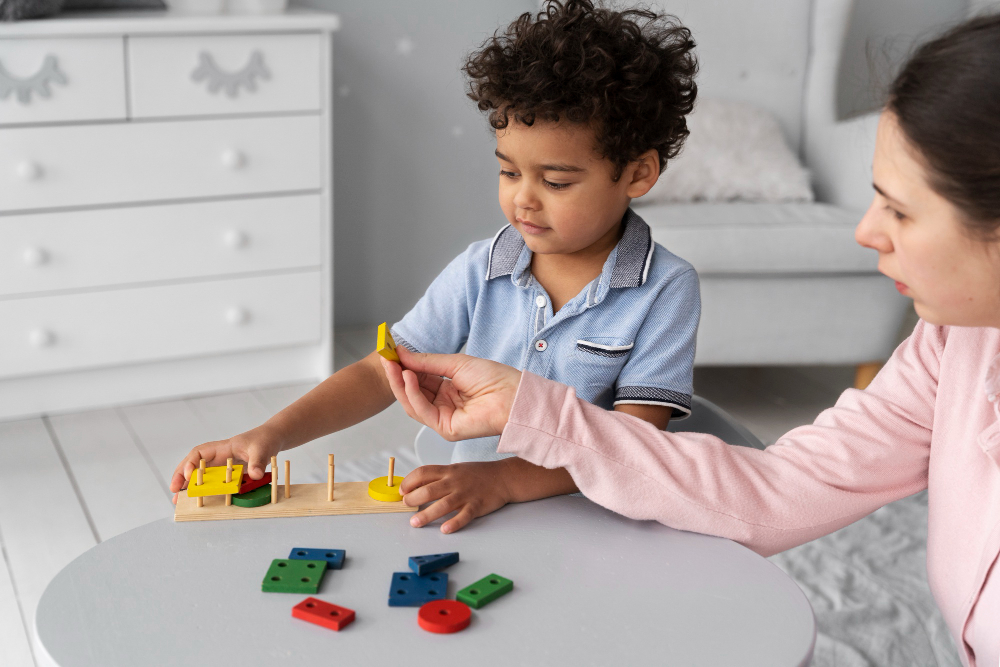
Therapy sessions may include movement, play, sensory experiences and practical tasks selected according to the child’s developmental needs. Activities are designed to support participation while respecting the child’s comfort and individual pace.
Helpful Information
Find answers to common questions about Occupational Therapy, assessments, parent involvement and progress.
The therapist evaluates relevant sensory, movement, coordination, play, self-care and everyday functional abilities.
Session frequency depends on the child’s assessed needs, individual goals and professional recommendations.
No. It may also support fine motor abilities, coordination, self-care, play, participation and everyday independence.
Yes. Parents receive updates and practical guidance to support relevant skills within everyday routines.
Progress is monitored through observations and development toward the child’s agreed individual goals.
Yes, when appropriate. It may be coordinated with Speech Therapy, ABA or other relevant developmental services.